
Manufacturing Industry Insolvency: A Roadmap to Recovery
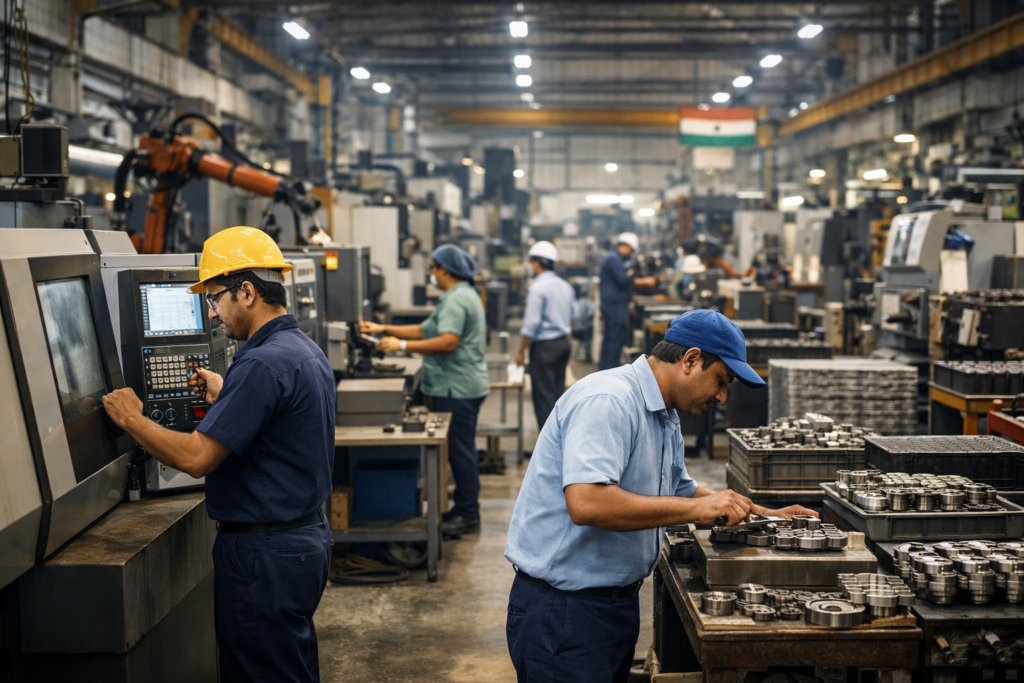
- Indian Manufacturing at a Turning Point : Indian manufacturing stands at a critical inflection point. Government initiatives like Make in India and PLI schemes, combined with global supply chain realignments, are creating unprecedented growth opportunities. For businesses that are prepared, this is a defining moment to scale and compete globally.
- Financial Strength Is the New Advantage: Manufacturing success today depends as much on financial discipline as on demand. Buyers now evaluate suppliers based on cash-flow management, balance-sheet strength, and execution reliability not just price and quality. MSMEs with strong financial foundations increasingly earn preference as long-term partners.
- Why Manufacturing Needs a Different Financial Mindset: Unlike service or digital businesses, manufacturers must deploy capital well before they realise revenue. Raw materials, production cycles, inventory holding, and delayed payments make forward-looking financial planning essential.
- Working Capital as a Strategic Asset : With payment cycles often stretching 90–180 days, working capital management becomes a core capability. Inventory and receivables are not burdens they determine whether a factory can grow, adapt, or survive market volatility.
- Managing Fixed Costs in Uncertain Markets : Manufacturers carry fixed obligations such as machinery loans, utilities, and skilled labor, regardless of demand cycles. Businesses that align capacity, financing, and cost structures early position themselves to remain resilient during downturns.
- IBC: From Last Resort to Strategic Tool : The Insolvency and Bankruptcy Code (IBC) has transformed how financial stress is addressed. Progressive manufacturers now view it not as failure, but as a structured mechanism to preserve enterprise value and business continuity.
- Preserving Value Through Resolution : IBC prioritises resolution over liquidation critical for manufacturing. It helps protect factories, jobs, and commercial relationships through mechanisms like CIRP and MSME-specific provisions that enable recovery rather than shutdown.
- A More Mature Ecosystem : Post-COVID, the insolvency ecosystem has strengthened. Banks are better at identifying viable businesses, and NCLT processes are faster and more predictable, improving confidence in timely restructuring.
Leveraging Operational Capabilities Amid Manufacturing Industry Insolvency
Leaders in manufacturing are changing. They are moving away from “fixing fires.” Instead, they use data and early planning.
- Reactive to Proactive : Smart owners know that financial strength is built every day. They don’t wait for a crisis to check their cash flow. They watch their unpaid bills and interest costs constantly. By acting while the business is still strong, they keep more options open. This is the jump from basic awareness to true financial intelligence.
- Intuition to Data : Leading factories no longer guess. They use hard facts. They ask: Where is the real profit? What can we improve? This makes their decisions more rational. It turns a factory owner into a data-driven leader.
- Informal to Structured : In the past, business was done through personal favors. Today, it is about frameworks. Banks and lenders follow strict rules. Smart manufacturers use formal legal tools to talk to these lenders. This provides a clear timeline and protects everyone involved.
- Short-Term Fixes to Long-Term Value : Survival is not enough. You must protect what makes the business valuable. This means keeping your best workers and your customers’ trust. Once you lose a skilled team, it is very hard to get them back. Strategic leaders play the long game.
- Stigma to Strategy : The biggest change is how people view the word “insolvency.” It is no longer a badge of shame. It is seen as a tool for a fresh start. Using these tools early allows a leader to shape the outcome instead of having it forced upon them.
The Real Obstacles Manufacturers Face During Financial Distress
Even with better tools, experienced teams, and strong demand cycles, many manufacturing businesses still struggle when financial stress appears. The problem is rarely a lack of technical capability. Instead, it comes from delayed decisions, emotional pressure, and legacy habits that no longer work in today’s environment.
Acting Too Late
This is the most common and most damaging mistake. Owners and directors often believe the situation will stabilise on its own a delayed payment will arrive, a new order will land, or margins will recover next quarter. Unfortunately, time works against distressed businesses. By the time action is taken, cash reserves are exhausted, options are limited, and negotiating power is gone. Early intervention is what preserves control and choice.
Fear Around Personal Guarantees
Many MSME owners have signed personal guarantees to secure funding. When stress builds, fear of losing personal assets can push leaders into rushed or reactive decisions selling assets cheaply, accepting unfavorable terms, or avoiding negotiations altogether. Personal guarantees are a legal and strategic issue, not a reason to panic. With the right professional guidance, exposure can often be reduced or structured more intelligently.
Unstructured Conversations with Banks
A common approach is to “talk things out” with lenders informally. While well-intentioned, this often fails. Banks operate on policy, process, and documentation not narratives. Without a clear financial plan, defined restructuring framework, and supporting data, these discussions rarely lead to meaningful relief. Structure creates credibility, and credibility creates options.
Rapid Loss of Asset Value
Manufacturers under pressure often sell machinery or inventory too quickly to raise cash. This usually results in heavy discounts and, worse, destroys future production capacity. Once machines stop, enterprise value drops sharply. Strategic planning allows businesses to protect operational assets, maximise value, and avoid irreversible damage.
Compliance Gaps
Missed tax filings, statutory dues, or salary payments create immediate legal exposure. Regulatory pressure increases stress, distracts management, and limits restructuring options. Staying compliant even during distress is critical. It keeps the focus on recovery instead of firefighting legal consequences.
Poor Financial Records
No advisor, lender, or restructuring professional can help if the books are unclear or unreliable. Incomplete records block access to formal rescue mechanisms and destroy trust. Clean, honest, and up-to-date financials are the foundation of any successful turnaround.
A Strategic Framework for Manufacturing Resilience
- Resilient manufacturing businesses do not rely on hope. They follow a disciplined, proactive framework that protects value and restores stability.
- The process begins with early intelligence understanding cash flow, operational efficiency, lender exposure, and legal position before the situation becomes critical. Acting early keeps decision-making power in the hands of the business, not external stakeholders.
- Solvencis addresses personal guarantees strategically, treating them as legal and financial structures rather than emotional threats. With proper planning, businesses can manage risk instead of fearing it.
- Teams move discussions with banks and creditors into formal, well-defined frameworks. This approach shifts relationships from confrontation to collaboration, improves transparency, and significantly increases the chances of successful restructuring.
- Companies protect assets instead of sacrificing them. They prioritise production continuity because operational factories retain value, whereas idle ones do not. At the same time, management maintains compliance, cleans up records, and uses the law as a tool for stability and long-term growth.
- Most importantly, this approach restores confidence for lenders, employees, suppliers, and owners alike.
The Solvencis Difference
Solvencis approaches insolvency and restructuring from a factory-first mindset. We understand that manufacturing businesses are living systems, not just balance sheets.
Factory-First Method :We start with how your factory actually operates machines, people, processes, and supply chains. We know that when production stops, value collapses. Our strategies are designed to keep operations viable while financial solutions are implemented.
The Big Picture View :We connect market shifts, operational bottlenecks, and cash-flow pressure into one clear strategy. Instead of treating symptoms, we address root causes that affect long-term sustainability.
Strategy Over Panic :We reject short-term fixes that damage future potential. Every decision is evaluated for its long-term impact on business health, employment, and stakeholder confidence.
MSME-Focused Solutions :Small and mid-sized manufacturers cannot afford expensive, slow, or overly complex plans. Our solutions are practical, cost-aware, and designed for immediate execution.
Measured by Real Results :Success is not just about closing a case. It’s measured by factories kept running, jobs preserved, and businesses rebuilt for the future.
FAQ
Why is this a good time for Indian manufacturers to grow?
India is benefiting from government programs like Make in India and PLI schemes, along with global supply chain shifts. These changes are opening access to new markets and larger buyers. Manufacturers that are prepared can scale faster than before.
Why is cash flow more important than demand today?
Demand alone is no longer enough. Large buyers now prefer suppliers who are financially stable. Strong cash flow and working capital management help manufacturers deliver on time, survive long payment cycles, and build long-term trust with customers.
Why is manufacturing financially different from other businesses?
In manufacturing, money is spent before profits are earned. Raw materials, production, quality checks, and inventory all require upfront investment. Payments often come months later, so careful financial planning is essential.
Is the Insolvency and Bankruptcy Code (IBC) only for failed companies?
No. Smart manufacturers use the IBC as a strategic tool, not a last resort. When used early, it can help restructure debt, protect the factory, preserve jobs, and keep the business running.
When should a manufacturer seek professional restructuring or IBC advice?
The best time is before a crisis. If cash flow is tight, payments are getting delayed, or debt pressure is increasing, early advice gives business owners more control and better outcomes.
About Solvencis
Solvencis works with manufacturing businesses facing financial stress, restructuring, and insolvency challenges. We help MSME and mid-sized manufacturers protect enterprise value, keep factories operational, and navigate debt and compliance issues with clarity.
Led by Mahendran Konar, Solvencis follows a factory-first approach, combining operational understanding with legal and financial strategy. We support manufacturers in using the Insolvency and Bankruptcy Code (IBC) as a proactive tool to preserve jobs, stabilise cash flow, and build a path to long-term recovery.
For more information: Email: inquiry@solvencis.com